
In combination with fulvestrant for patients with HR+/HER2− aBC or mBC with PIK3CA, AKT1, or PTEN alterations following progression on or after ET ± CDK4/6i1

In combination with fulvestrant for patients with HR+/HER2− aBC or mBC with PIK3CA, AKT1, or PTEN alterations following progression on or after ET ± CDK4/6i1
Advancements in precision medicine
Dr Neil M. Iyengar discusses treatment with TRUQAP + fulvestrant, including results from CAPItello-291, safety, and dosing.
Hello, my name is Dr Neil Iyengar. I’m a medical oncologist and physician scientist specializing in breast cancer. I have particular experience with the development of novel molecular therapeutics, clinical trial design, toxicity management, and the intersections of metabolism and response to cancer therapy.
And I’m here to talk about TRUQAP plus fulvestrant—a treatment for patients with HR-positive, HER2-negative locally advanced or metastatic breast cancer with PIK3CA, AKT1, or PTEN alterations who have progressed on prior endocrine therapy with or without a CDK4/6 inhibitor. Let’s discuss how TRUQAP plus fulvestrant is improving outcomes and advancing precision medicine for patients whose tumors have these actionable alterations.
In late-stage HR-positive, HER2-negative breast cancer, gene alterations in the PI3K/AKT/PTEN pathway—activating PIK3CA and AKT1 mutations, and PTEN alterations—are common drivers of treatment resistance and disease progression. One or more of these alterations are present in up to 50% of patients with this type of breast cancer, and most notably, PIK3CA activating mutations are associated with poor prognosis.
That’s why I’m an advocate of testing for biomarker alterations at locally advanced or metastatic breast cancer diagnosis. An FDA-approved test can be used to detect PIK3CA, AKT1, or PTEN alterations. And, once we identify what’s driving the tumor growth through molecular phenotyping, we know how to address it.
Another important step is to consult the NCCN Clinical Practice Guidelines in Oncology for Breast Cancer.
The NCCN Guidelines recommend biomarker testing, including a biopsy of at least first recurrence of disease, or consider re-biopsy if progression occurs, and comprehensive germline and somatic profiling to identify candidates for targeted therapies.
It’s exciting to see that a treatment like capivasertib, also known as TRUQAP, that specifically addresses molecular alterations, has received a Category 1 Preferred recommendation from the NCCN.
Now let’s discuss the data from the pivotal trial that demonstrated how TRUQAP plus fulvestrant can address a key resistance mechanism.
CAPItello-291 was a global, phase 3, randomized, double-blind, multicenter trial that enrolled 708 patients, regardless of biomarker status, who had progressed on or after an aromatase inhibitor, including 70% who had prior treatment with a CDK4/6 inhibitor.
In the TRUQAP plus fulvestrant arm, 355 patients took TRUQAP 4 consecutive days on, followed by 3 days off, every week. In the placebo plus fulvestrant arm, 353 patients took placebo on the same schedule.
The trial was designed with dual primary endpoints to assess median progression-free survival in both the overall population, and in patients with PIK3CA, AKT1, and/or PTEN alterations.
Baseline characteristics were balanced between treatment arms and reflect what we see in clinical practice. You can refer to the CAPItello-291 trial design page on the website to see the full list of baseline characteristics.
I have seen many patients who have additional comorbidities, such as prediabetes or type 2 diabetes. In CAPItello-291, the trial design allowed for patients with a hemoglobin A1C <8% and diabetes not requiring insulin. Recently, I saw a patient with a PIK3CA activating mutation and a hemoglobin A1C of 6.8%.
It was important that her treatment was evaluated in a trial that allowed for patients with PIK3CA activating mutations. Of note, 76% of patients in CAPItello-291 had a PIK3CA activating mutation. Additionally, eligibility criteria included elevated hemoglobin A1C.
As an AKT inhibitor, TRUQAP targets the central node of the PI3K/AKT/PTEN pathway. Given the critical position of AKT as a master switch of this pathway, TRUQAP’s mechanism of action restricts the flow of amplified signaling from PIK3CA activating mutations, in addition to AKT1 activating mutations and PTEN alterations, before those signals can have further downstream effects that drive tumor growth.
I find the results of the CAPItello-291 trial to be very compelling.
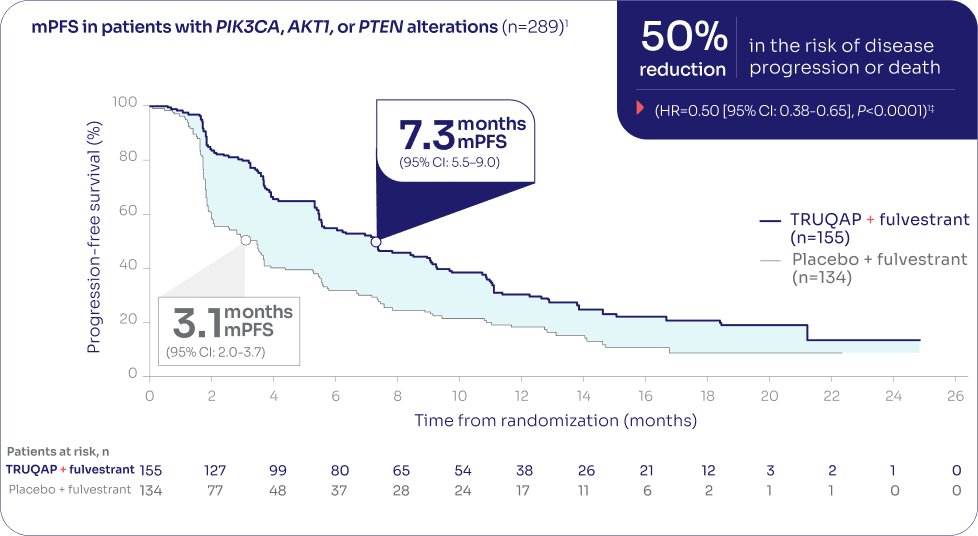
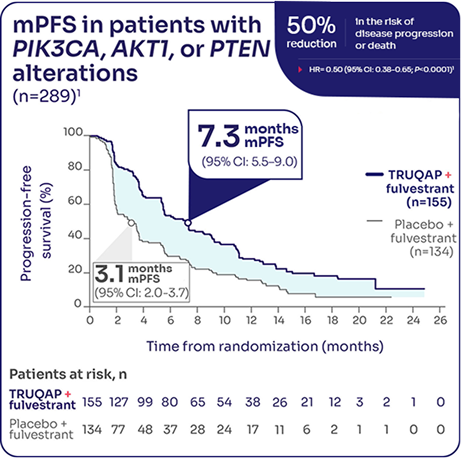
Patients with PIK3CA, AKT1, and/or PTEN alterations who received TRUQAP plus fulvestrant experienced more than double median progression-free survival and a 50% reduction in risk of disease progression or death versus those who received fulvestrant monotherapy. You’ll see this demonstrated in the Kaplan-Meier curve here, which shows a median progression-free survival of 7.3 months with TRUQAP plus fulvestrant versus only 3.1 months for fulvestrant monotherapy.
TRUQAP plus fulvestrant also delivered consistent PFS benefit across multiple subgroups.
When talking to my patients about next-line treatment options at the time of disease progression, I always discuss the mechanism of action and the results they may see from the treatment. I also speak about any potential adverse reactions they may experience.
Managing breast cancer can be complex, so it’s important to be able to offer them an option for which there are proactive monitoring and management recommendations for adverse reactions.
In CAPItello-291, adverse reactions were mostly Grade 1 or 2. Discontinuation occurred in 10% of patients, and 21% received dose reductions due to adverse reactions.
Severe adverse reactions included hyperglycemia, diarrhea, and cutaneous adverse reactions. In my personal experience, patients tell me that adverse reactions with TRUQAP are generally manageable.
I hope you find this summary of TRUQAP plus fulvestrant and the CAPItello-291 trial results helpful in making precision medicine–based treatment decisions for your patients. Thank you, I’m Dr Neil Iyengar. Additional resources about TRUQAP plus fulvestrant can be found on the website.
IMPORTANT SAFETY INFORMATION ABOUT TRUQAP® (capivasertib) tablets
TRUQAP is contraindicated in patients with severe hypersensitivity to TRUQAP or any of its components.
Hyperglycemia
Severe hyperglycemia, including diabetic ketoacidosis and fatal outcomes, can occur in patients treated with TRUQAP (n=355).
Increased fasting glucose (FG) from baseline occurred in 37% of patients treated with TRUQAP, including 11% of patients with Grade 2 (FG >160 to 250 mg/dL), 2% with Grade 3 (FG >250 to 500 mg/dL), and 1.1% with Grade 4 (FG >500 mg/dL) events. The median time to first occurrence of hyperglycemia was 15 days (range: 1 to 367). Dose reduction for hyperglycemia was required in 0.6% of patients and permanent discontinuation was required in 0.6% of patients. Diabetic ketoacidosis occurred in 0.3% of patients and diabetic metabolic decompensation in 0.6% of patients.
In CAPItello-291, 12% (43/355) of patients who received TRUQAP had an anti-hyperglycemic medication either initiated or changed during the study, including treatment with insulin in 4.8% (17/355) of patients. The safety of TRUQAP has not been established in patients with Type I diabetes or diabetes requiring insulin. Patients with insulin-dependent diabetes were excluded from CAPItello-291.
Before initiating treatment with TRUQAP, test fasting glucose levels (fasting plasma glucose or fasting blood glucose), hemoglobin A1C (HbA1C) levels, and optimize fasting glucose. After initiating treatment with TRUQAP, monitor or self-monitor FG levels on Day 3 or 4 of the dosing week during weeks 1, 2, 4, 6, and 8; then monthly while on treatment with TRUQAP; and as clinically indicated. Monitor HbA1C levels every 3 months during treatment with TRUQAP and as clinically indicated. Patients with a history of well-controlled Type 2 diabetes mellitus may require intensified anti-hyperglycemic treatment and close monitoring of FG levels.
For patients who experience hyperglycemia during treatment with TRUQAP, monitor FG at least twice weekly, on days on and off TRUQAP, until FG decreases to baseline levels. During treatment with anti-diabetic medications, monitor FG at least once a week for 2 months, followed by once every 2 weeks, or as clinically indicated. Consider consultation with a healthcare practitioner with expertise in the treatment of hyperglycemia and initiation of FG monitoring at home for patients who have risk factors for hyperglycemia or who experience hyperglycemia. Advise patients on the signs and symptoms of hyperglycemia and counsel patients on lifestyle changes.
Withhold TRUQAP immediately when ketoacidosis is suspected. If ketoacidosis is confirmed, permanently discontinue TRUQAP. Based on the severity of hyperglycemia, withhold, reduce dose, or permanently discontinue TRUQAP.
Diarrhea
Severe diarrhea associated with dehydration occurred in patients who received TRUQAP (n=355).
Diarrhea occurred in 72% of patients. Grade 3 or 4 diarrhea occurred in 9% of patients. The median time to first occurrence was 8 days (range: 1 to 519). In the 257 patients with diarrhea, 59% required antidiarrheal medications to manage symptoms. Dose reductions were required in 8% of patients and 2% of patients permanently discontinued TRUQAP due to diarrhea. In patients with Grade ≥2 diarrhea (n=93) with at least 1 grade improvement (n=89), median time to improvement from the first event was 4 days (range: 1 to 154).
Monitor patients for signs and symptoms of diarrhea. Advise patients to increase oral fluids and start antidiarrheal treatment at the first sign of diarrhea while taking TRUQAP. Withhold, reduce dose, or permanently discontinue TRUQAP based on severity.
Cutaneous Adverse Reactions
Cutaneous adverse reactions, which can be severe, including erythema multiforme (EM), palmar-plantar erythrodysesthesia, and drug reaction with eosinophilia and systemic symptoms (DRESS), occurred in patients who received TRUQAP (n=355).
Cutaneous adverse reactions occurred in 58% of patients. Grade 3 or 4 cutaneous adverse reactions occurred in 17% of patients receiving TRUQAP. EM occurred in 1.7% of patients and DRESS occurred in 0.3% of patients. Dose reduction was required in 7% of patients and 7% of patients permanently discontinued TRUQAP due to cutaneous adverse reactions.
Monitor patients for signs and symptoms of cutaneous adverse reactions. Early consultation with a dermatologist is recommended. Withhold, dose reduce, or permanently discontinue TRUQAP based on severity.
Embryo-Fetal Toxicity
Based on findings from animals and mechanism of action, TRUQAP can cause fetal harm when administered to a pregnant woman. Advise pregnant women and females of reproductive potential of the potential risk to a fetus. Advise females of reproductive potential to use effective contraception during treatment with TRUQAP and for 1 month after the last dose. Advise male patients with female partners of reproductive potential to use effective contraception during treatment with TRUQAP and for 4 months after the last dose.
TRUQAP is used in combination with fulvestrant. Refer to the full Prescribing Information of fulvestrant for pregnancy and contraception information.
ADVERSE REACTIONS
Among the 355 patients who received TRUQAP in CAPItello-291, the most common (≥20%) adverse reactions, including laboratory abnormalities, were diarrhea (72%), cutaneous adverse reactions (58%), increased random glucose (57%), decreased lymphocytes (47%), decreased hemoglobin (45%), increased fasting glucose (37%), nausea and fatigue (35% each), decreased leukocytes (32%), increased triglycerides (27%), decreased neutrophils (23%), increased creatinine (22%), vomiting (21%), and stomatitis (20%).
In the 155 patients with PIK3CA/AKT1/PTEN alterations treated with TRUQAP + fulvestrant, dose reductions due to adverse reactions were reported in 21% of patients. Permanent TRUQAP discontinuation due to an adverse reaction occurred in 10% of patients. Dose interruptions of TRUQAP occurred in 39% of patients.
DRUG INTERACTIONS
Strong CYP3A Inhibitors: Avoid concomitant use with a strong CYP3A inhibitor. If concomitant use cannot be avoided, reduce the dose of TRUQAP and monitor patients for adverse reactions.
Moderate CYP3A Inhibitors: When concomitantly used with a moderate CYP3A inhibitor, reduce the dose of TRUQAP and monitor patients for adverse reactions.
Strong or Moderate CYP3A Inducers: Avoid concomitant use of TRUQAP with strong or moderate CYP3A inducers.
INDICATION AND USAGE
TRUQAP in combination with fulvestrant is indicated for the treatment of adult patients with hormone receptor (HR)-positive, human epidermal growth factor receptor 2 (HER2)-negative locally advanced or metastatic breast cancer with one or more PIK3CA/AKT1/PTEN alteration as detected by an FDA-approved test following progression on at least one endocrine-based regimen in the metastatic setting or recurrence on or within 12 months of completing adjuvant therapy.
Please see full Prescribing Information, including Patient Information for TRUQAP.
You are encouraged to report side effects related to AstraZeneca products by calling 1-800-236-9933. If you prefer to report these to the FDA, please call 1-800-FDA-1088.
Primary Endpoint
In combination with fulvestrant,
TRUQAP more than doubled mPFS in patients with PIK3CA, AKT1, or PTEN alterations vs fulvestrant alone1*†
The median duration of follow-up for the primary analysis of PFS in the ITT population was 13.0 months (range: 0.0 to 25.0) in the TRUQAP + fulvestrant arm and 12.7 months (range: 0.0 to 22.3) in the fulvestrant alone arm1,2
NO biomarker testing required1
with TRUQAP + fulvestrant
Kaplan-Meier curve depicting TRUQAP efficacy in combination with fulvestrant from CAPItello-291. Median PFS was 7.3 months with TRUQAP + fulvestrant (n=155; 95% CI: 5.5-9.0) vs 3.1 months with fulvestrant (n=134; 95% CI: 2.0-3.7). HR is 0.50 (95% CI: 0.38-0.65; P<0.0001).
The median duration of follow-up for the primary analysis of PFS in the ITT population was 13.0 months (range: 0.0 to 25.0) in the TRUQAP + fulvestrant arm and 12.7 months (range: 0.0 to 22.3) in the fulvestrant alone arm1,2
CATEGORY 1 PREFERRED
NCCN Clinical Practice Guidelines in Oncology (NCCN Guidelines®) for Breast Cancer recommends capivasertib (TRUQAP®) + fulvestrant as a Category 1 Preferred treatment option for HR+/HER2− aBC or mBC with at least one or more PIK3CA or AKT1 activating mutations or PTEN alterations following progression after a prior line of ET + CDK4/6i2
Secondary Endpoints
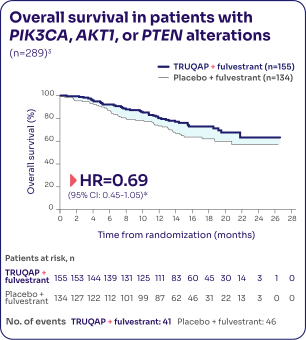
Overall survival with TRUQAP + fulvestrant (n=155) was 28.5 months and 30.4 months with fulvestrant alone (n=134) (HR=0.83 [95% CI: 0.63-1.10]). Data were not statistically significant3*
TRUQAP + fulvestrant delivered an objective response rate of 26%—fulvestrant alone was 8%1
ORR=26% (CR=2.3%; PR=23%) vs 8% (CR=0%; PR=8%), respectively (investigator assessed)
Median duration of response was 10.2 months (95% CI: 7.7-NC) with TRUQAP + fulvestrant—fulvestrant alone was 8.6 months (95% CI: 3.8-9.2)1
mPFS in Subgroups
In combination with fulvestrant,
Investigator-assessed mPFS by subgroup
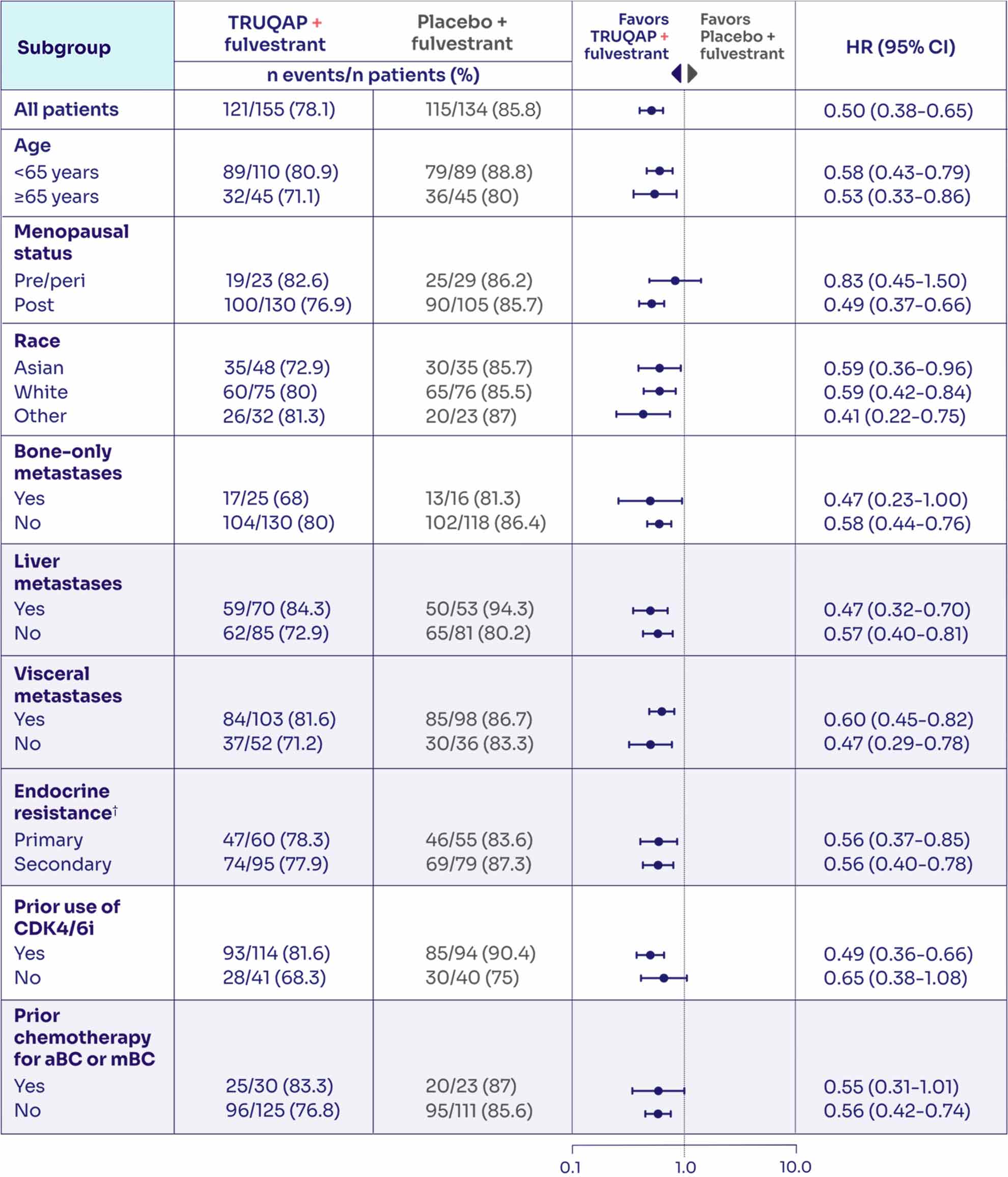
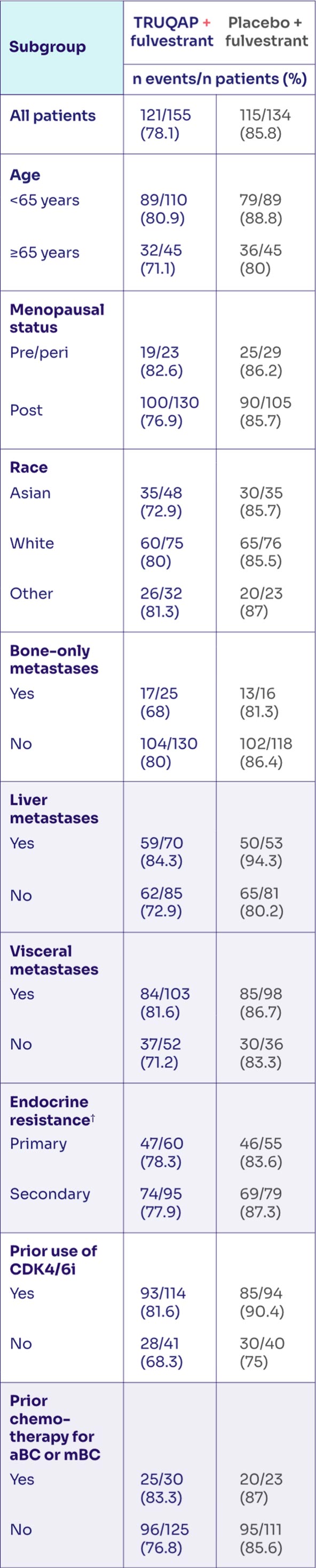
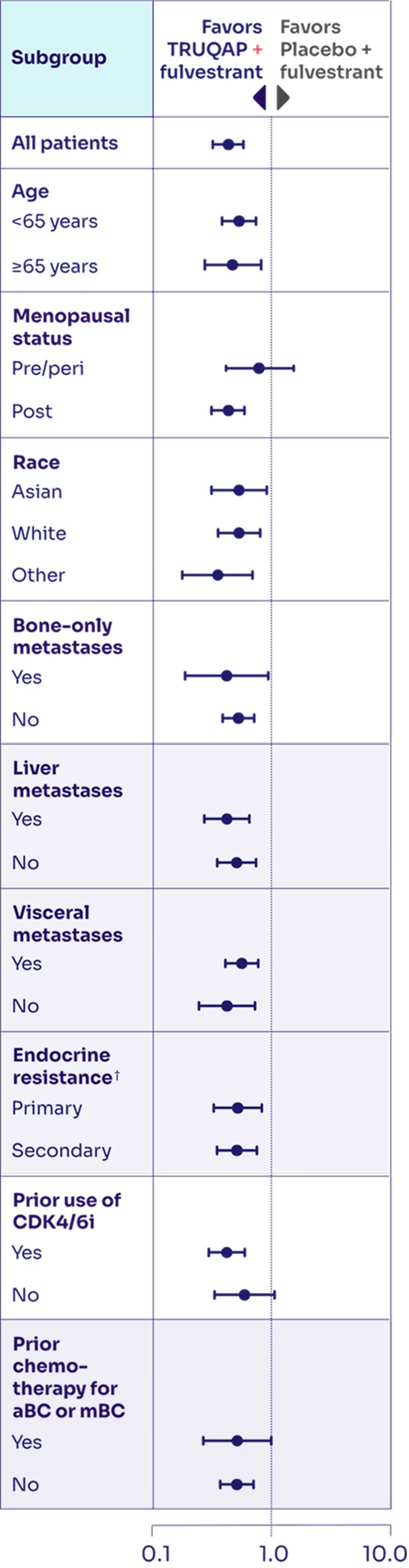
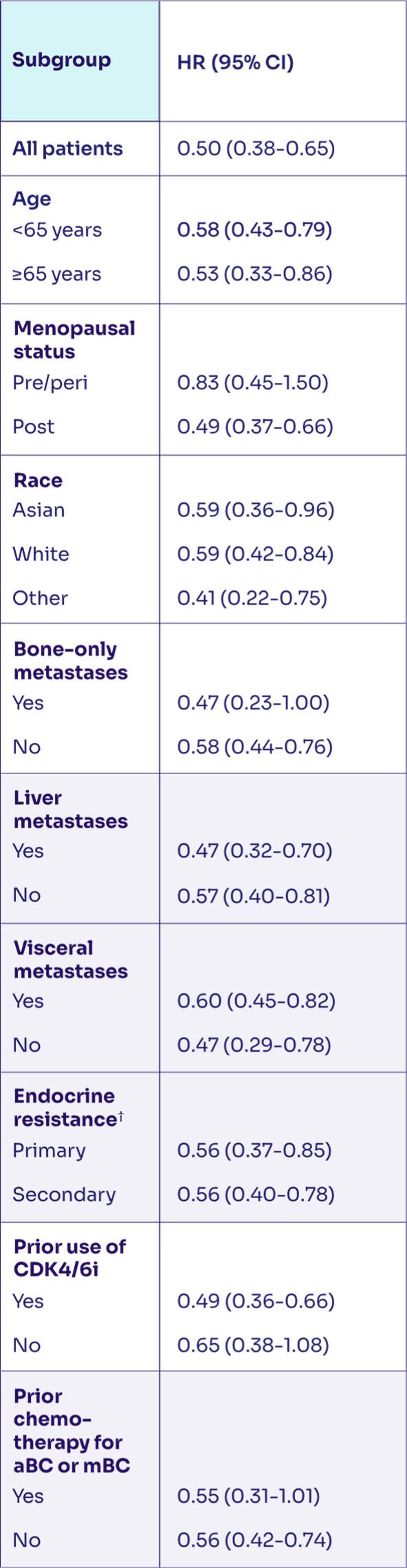
Forest plot of subgroup analysis comparing TRUQAP + fulvestrant to placebo + fulvestrant in the CAPItello-291 trial. Subgroups analyzed include all patients with PIK3CA, AKT1, or PTEN alterations, age (<65 years, ≥65 years), menopausal
status (pre/peri, post), race (Asian, White, Other), bone-only metastases, liver metastases, visceral metastases,
endocrine resistance (primary, secondary), prior use of CDK4/6 inhibitors, and prior chemotherapy for locally
advanced or metastatic breast cancer.
Patient Eligibility
For TRUQAP + fulvestrant,
Alteration prevalence among PIK3CA/AKT1/PTEN-altered population in CAPtello-2911,3†


Alteration prevalence among the PIK3CA/AKT1/PTEN-altered population in CAPItello-291 was 76%, 17%, and 13% for PIK3CA, PTEN, and AKT1, respectively.

mPFS by Alteration Status
Post hoc exploratory analyses are descriptive only. CAPItello-291 was not designed to assess statistical significance in subgroup analysis. Results should be interpreted with caution.
In combination with fulvestrant,
TRUQAP demonstrated consistent mPFS results in patients with PIK3CA alterations6
Results from an exploratory analysis
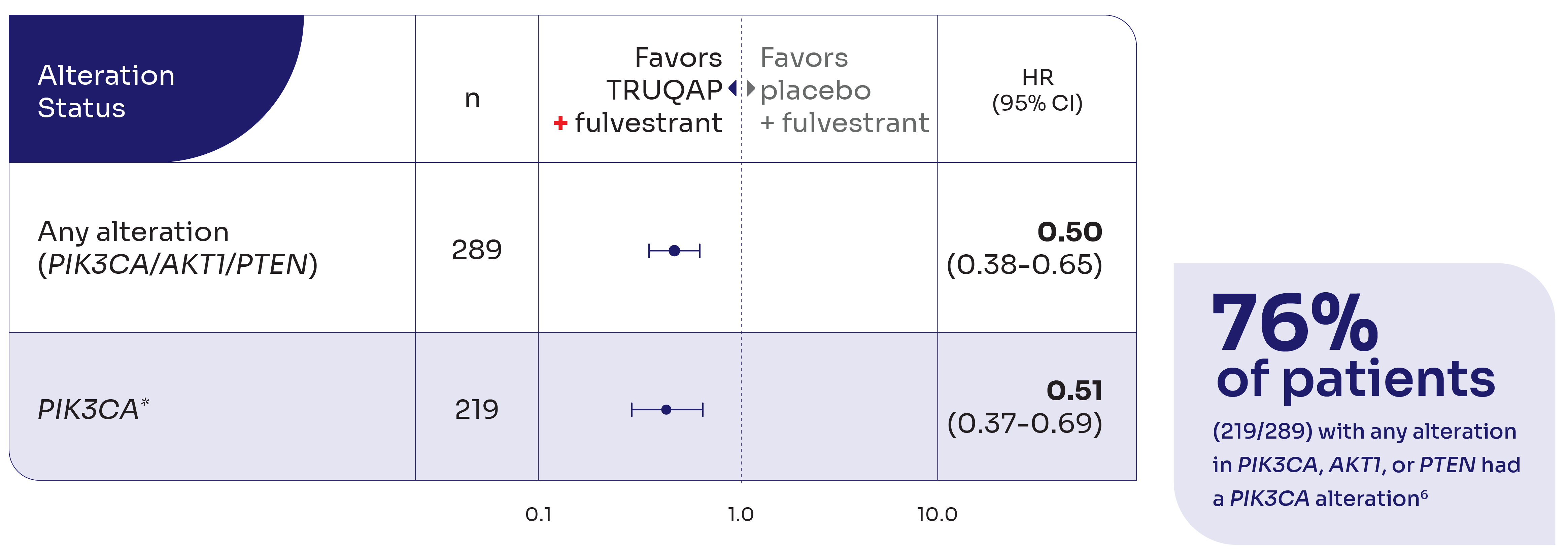
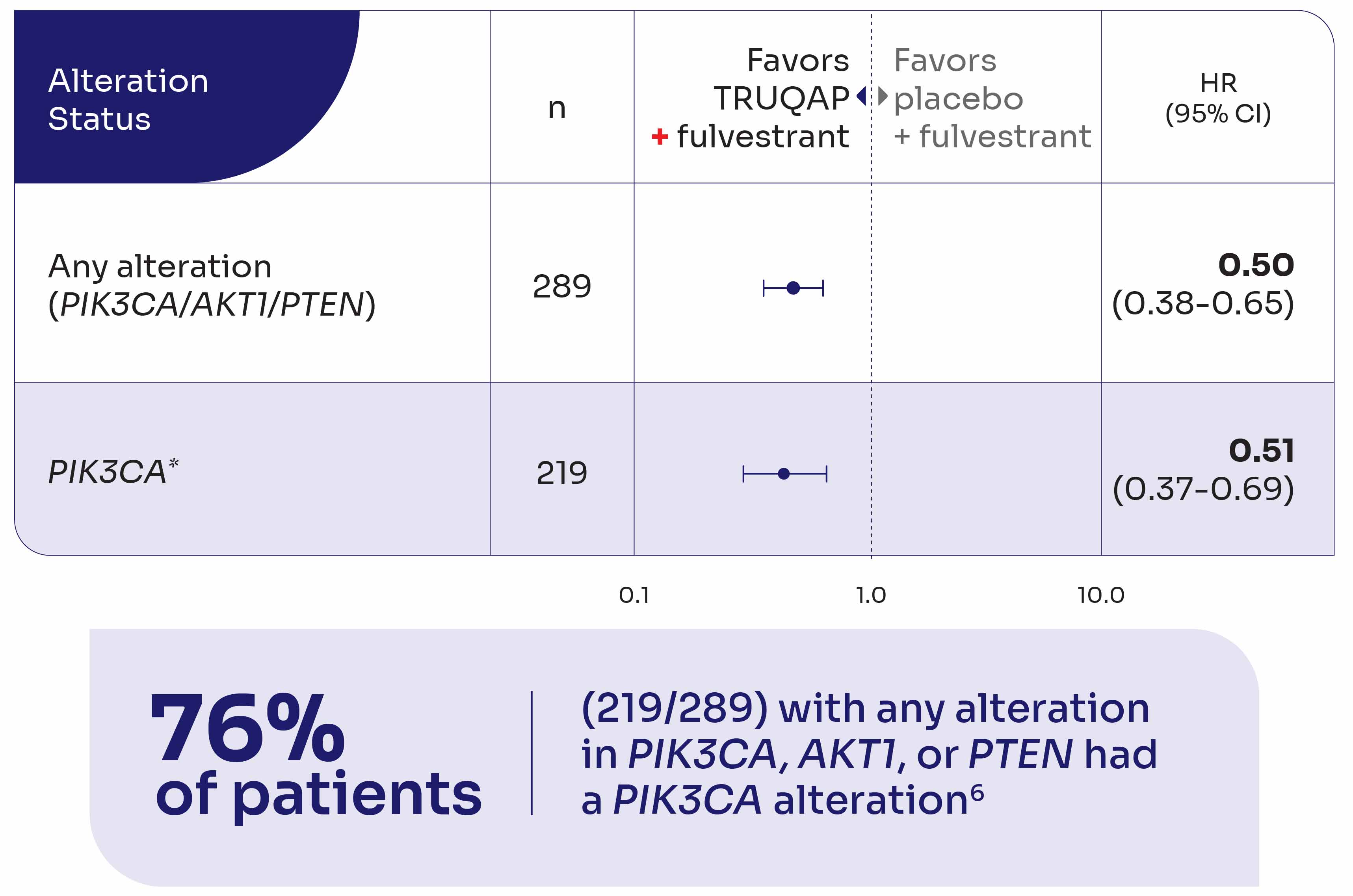
In CAPItello-291, pathway alteration status was determined centrally using NGS in tumor tissue with the FoundationOne®CDx assay.1
In combination with fulvestrant,
TRUQAP demonstrated consistent mPFS results in patients with ESR1
co-mutations7
Results from an exploratory analysis
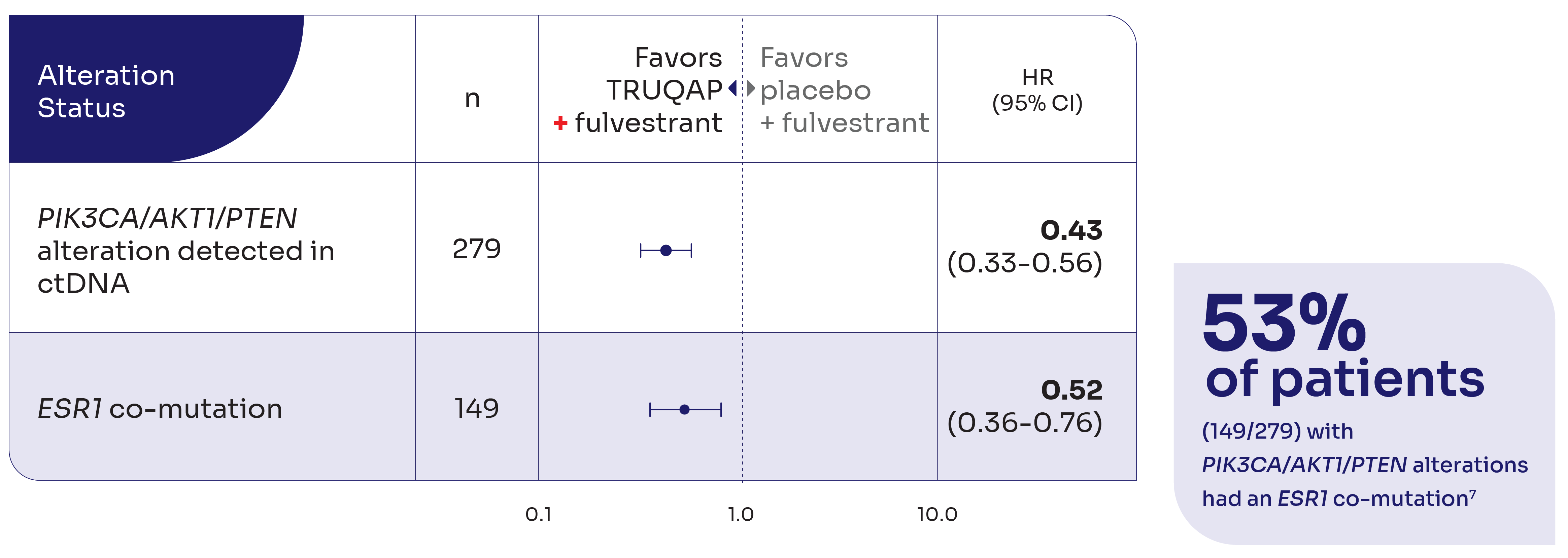
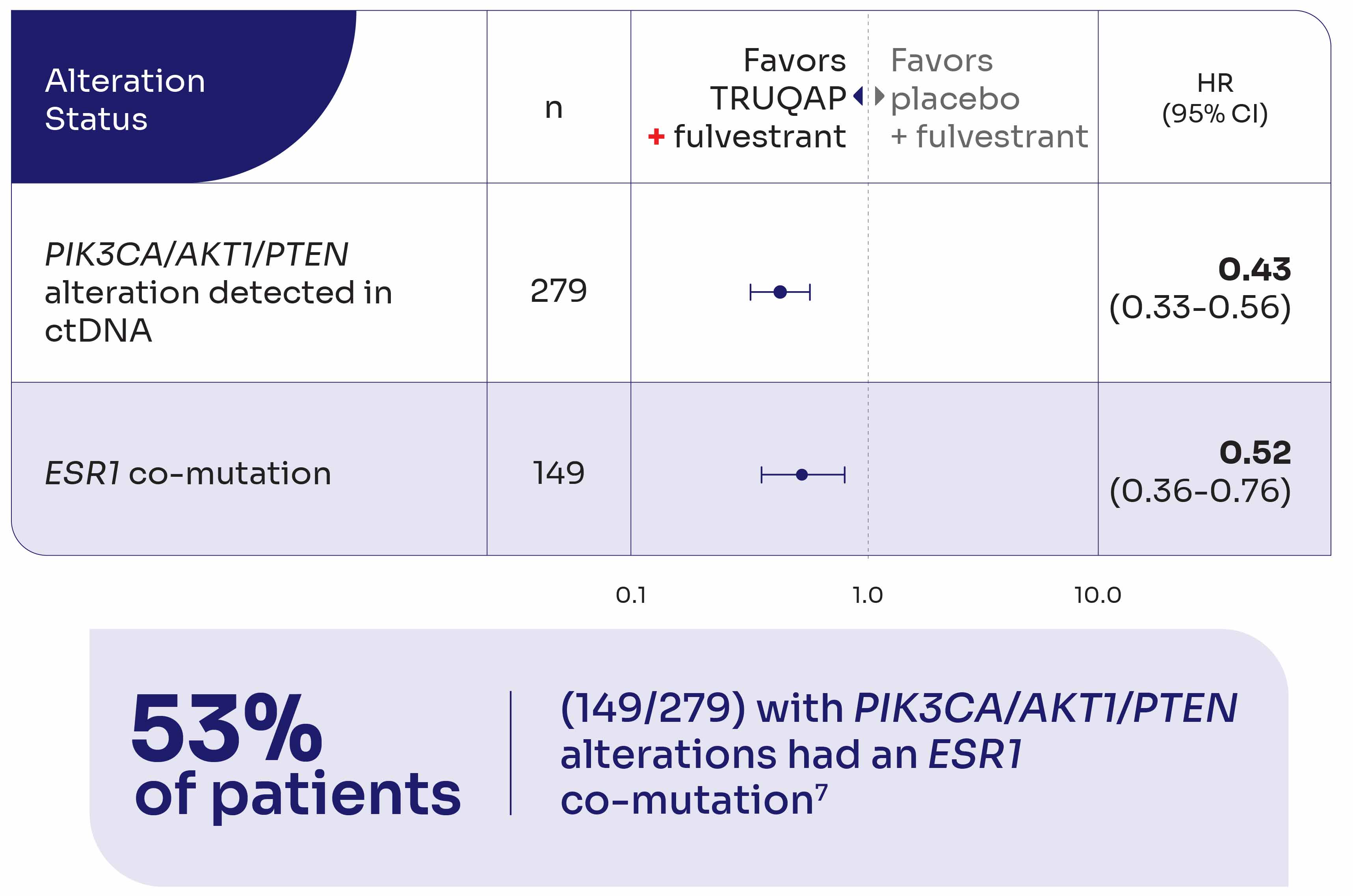
Forest plot of mPFS by alteration status comparing TRUQAP + fulvestrant to placebo + fulvestrant in the CAPItello-291 trial. Alterations analyzed include any alteration (PIK3CA, AKT1, or PTEN), PIK3CA/AKT1/PTEN alterations detected in ctDNA, and ESR1 co-mutation.
Exploratory ctDNA subgroup analysis in patients with PIK3CA, AKT1, and/or PTEN alterations and ESR1 co-mutations.
TRUQAP, in combination with fulvestrant, is not indicated to target ESR1 mutations.
In this analysis, baseline pathway alterations (PIK3CA/AKT1/PTEN) and co-occurring ESR1 mutation status were identified by ctDNA from blood samples analyzed retrospectively using the Guardant InfinityTM assay.7

View patient
demographics
Discover TRUQAP
tolerability profile

IMPORTANT SAFETY INFORMATION ABOUT TRUQAP® (capivasertib) tablets
TRUQAP is contraindicated in patients with severe hypersensitivity to TRUQAP or any of its components.
Hyperglycemia
TRUQAP can cause severe hyperglycemia, including diabetic ketoacidosis and fatal outcomes
Metastatic HR-Positive, HER2-Negative Breast Cancer
PTEN-Deficient Metastatic Androgen Pathway Modulation-Naïve or -Sensitive Prostate Cancer
The safety of TRUQAP has not been established in patients with Type 1 diabetes or Type 2 diabetes that is uncontrolled or requiring insulin at baseline as these patients were excluded from clinical studies. Before initiating treatment with TRUQAP, test fasting glucose levels (FPG or FBG), HbA1C levels, and optimize fasting glucose. After initiating treatment with TRUQAP, monitor or self-monitor FG levels on Day 3 or 4 of the dosing week during weeks 1, 2, 4, 6, and 8; then monthly while on treatment with TRUQAP; and as clinically indicated. Monitor HbA1C levels every 3 months during treatment with TRUQAP and as clinically indicated. Patients with a history of well-controlled Type 2 diabetes mellitus may require intensified anti-hyperglycemic treatment and close monitoring of FG levels.
For patients who experience hyperglycemia during treatment with TRUQAP, monitor FG at least twice weekly, on days on and off TRUQAP, until FG decreases to baseline levels. During treatment with anti-diabetic medications, monitor FG at least once a week for 2 months, followed by once every 2 weeks, or as clinically indicated. Consider consultation with a healthcare practitioner with expertise in the treatment of hyperglycemia and initiation of FG monitoring at home for patients who have risk factors for hyperglycemia or who experience hyperglycemia. Advise patients on the signs and symptoms of hyperglycemia and counsel patients on lifestyle changes.
Withhold TRUQAP immediately when ketoacidosis is suspected. If ketoacidosis is confirmed, permanently discontinue TRUQAP. Withhold TRUQAP in clinical situations known to increase the risk of severe hyperglycemia or ketoacidosis (eg, suspected serious infection or acute illness). Based on the severity of hyperglycemia, withhold, reduce dose, or permanently discontinue TRUQAP.
Diarrhea
TRUQAP can cause severe diarrhea associated with dehydration
Metastatic HR-Positive, HER2-Negative Breast Cancer
PTEN-Deficient Metastatic Androgen Pathway Modulation-Naïve or -Sensitive Prostate Cancer
Monitor patients for signs and symptoms of diarrhea. Advise patients to increase oral fluids and start anti-diarrheal treatment at the first sign of diarrhea while taking TRUQAP. Withhold, reduce dose, or permanently discontinue TRUQAP based on severity.
Cutaneous Adverse Reactions
TRUQAP can cause cutaneous adverse reactions, which can be severe, including erythema multiforme (EM), palmar-plantar erythrodysesthesia (PPE), and drug reaction with eosinophilia and systemic symptoms (DRESS).
Metastatic HR-Positive, HER2-Negative Breast Cancer
PTEN-Deficient Metastatic Androgen Pathway Modulation-Naïve or -Sensitive Prostate Cancer
Monitor patients for signs and symptoms of cutaneous adverse reactions. Early consultation with a dermatologist is recommended. Withhold, reduce dose, or permanently discontinue TRUQAP based on severity.
Embryo-Fetal Toxicity
Based on findings from animals and mechanism of action, TRUQAP can cause fetal harm when administered to a pregnant woman. Advise pregnant women and females of reproductive potential of the potential risk to a fetus. Advise females of reproductive potential to use effective contraception during treatment with TRUQAP and for
1 month after the last dose.
Advise male patients with female partners of reproductive potential to use effective contraception during treatment with TRUQAP and for 4 months after the last dose.
TRUQAP is used in combination with fulvestrant or abiraterone. Refer to the full Prescribing Information of fulvestrant or abiraterone for pregnancy and contraception information.
ADVERSE REACTIONS
Metastatic HR-Positive, HER2-Negative Breast Cancer
PTEN-Deficient Metastatic Androgen Pathway Modulation-Naïve or -Sensitive Prostate Cancer
DRUG INTERACTIONS
Strong CYP3A Inhibitors: Avoid concomitant use with a strong CYP3A inhibitor. If concomitant use cannot be avoided, reduce the dose of TRUQAP and monitor patients for adverse reactions.
Moderate CYP3A Inhibitors: When concomitantly used with a moderate CYP3A inhibitor, reduce the dose of TRUQAP and monitor patients for adverse reactions.
Strong or Moderate CYP3A Inducers: Avoid concomitant use of TRUQAP with strong or moderate CYP3A inducers.
INDICATIONS AND USAGE
Please see full Prescribing Information, including Patient Information for TRUQAP.
You may report side effects related
to AstraZeneca products .
.
INDICATIONS AND USAGE
IMPORTANT SAFETY INFORMATION ABOUT TRUQAP™ (capivasertib) tablets
Expand